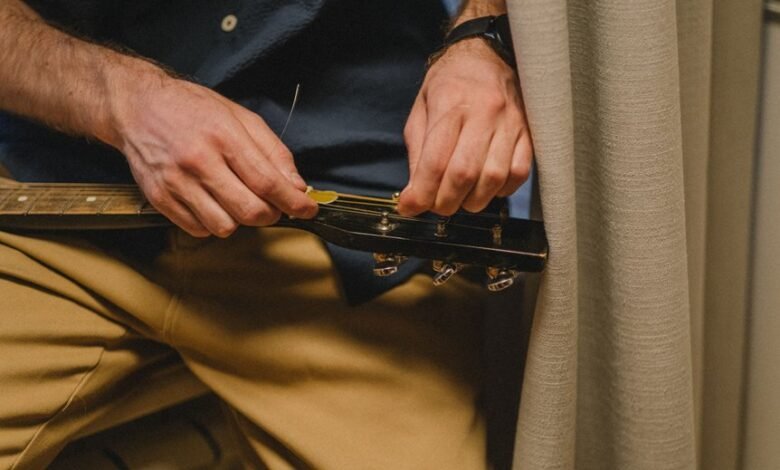
Costs for restringing vary by instrument type, string material, and service level. Electric guitars are usually cheaper; acoustics and classical guitars depend on string type and hardware needs. Labor time hinges on setup complexity and nut/saddle condition. DIY saves money but risks intonation and tone shifts; professional restringing ensures accuracy. The range runs roughly from DIY supplies of $10–$50 to $30–$100+ for professional service, leaving questions about the best balance.
What Affects Guitar Restringing Costs
Several factors influence guitar restrings, including instrument type, string material, and the complexity of the setup.
The cost factors include labor time and service scope, while material options influence both tone and durability.
Different guitar bodies and nut saddle conditions affect expenses; standard tuners and locking tuners vary in cost.
Price Ranges by Guitar Type: Electric, Acoustic, Classical
Electric, acoustic, and classical guitars each have distinct restrung price ranges driven by string material, gauge, and hardware requirements. Electric setups generally incur lower costs due to lighter touch and common nickel strings, while acoustic and classical routes vary with phosphor bronze or nylon choices.
Restringing materials and tone preservation considerations dictate labor time and fixture adjustments, ensuring reliable intonation and preserved resonance.
DIY vs. Professional Restringing: When to Choose Which
When deciding between DIY restringing and professional service, a guitarist weighs time, skill, and risk against cost and convenience.
DIY restringing offers immediate control but invites setup mistakes and potential instrument damage; professional restringing guarantees consistent results and warranty, yet requires scheduling and higher upfront fees.
The choice balances competency, urgency, and long-term value in pursuing optimal playability.
professional restringing may be preferred for reliability, while diy restringing suits experimentation and budget.
How to Get the Best Value: Tips to Save Without Sacrificing Tone
For guitarists weighing value after choosing between DIY and professional restringing, maximizing tone while controlling cost hinges on practical choices that affect setup, parts, and maintenance frequency.
Prudent selections center on string type, gauge, and core materials, plus periodic maintenance intervals.
Tips savings emerge from bulk purchases and alternative brands, while tone maintenance depends on nut slots, intonation, and bridge saddles.
Frequently Asked Questions
How Long Does Restringing Typically Take?
A typical guitar restring takes about 15 to 45 minutes, depending on experience and instrument type. The process is methodical, precise, and repeatable, aligning tension and intonation. Quick, efficient, dependable, yet mindful of neck stability and setup considerations. Two word ideas, unrelated topic.
Do Musicians Prefer Stainless Steel Vs Phosphor Bronze Strings?
Musicians generally prefer phosphor bronze for bright, balanced tones and stainless steel for durability; preferences vary. Discussing string longevity and comparing brands, the choice hinges on playing style, gauge, and desired freedom in articulation rather than price.
Can Restringing Affect Guitar Neck Relief or Setup?
Can restringing affect guitar neck relief or setup? Yes, it can, albeit modestly, depending on string tension changes and truss rod adjustments. This is a matter of guitar maintenance, restringing impact, and requires precise, practical setup.
Should I Replace Pickups or Hardware When Restringing?
Should I replace, when restringing, pickups? Hardware upgrades, during restringing, are optional. Consider pickups’ tone impact and install compatibility; replacing hardware may improve sustain. Weigh cost, complexity, and future maintenance before deciding, ensuring neck relief remains unaffected by procedure.
Do Warranty or Service Plans Cover Restringing Costs?
Coincidentally, warranty coverage typically excludes restringing costs; service plans may offer partial reimbursement or discounted restringing. The guitarist should verify terms, coverage limits, and required receipts before proceeding, ensuring practical, precise documentation supports any claimed benefit or exemption.
Conclusion
Restringing costs, when viewed through the cold lens of practicality, collapse to a simple equation: time equals money, and tension equals precision. For most players, DIY saves a surprising amount, yet professional service guarantees exact intonation, proper nut and saddle seating, and consistent tension—an unbeatable return on a minor budget. In short, if tone and setup are mission-critical, hire the pro; otherwise, a careful DIY session can stretch dollars without sacrificing basic playability. The choice dominates the result.