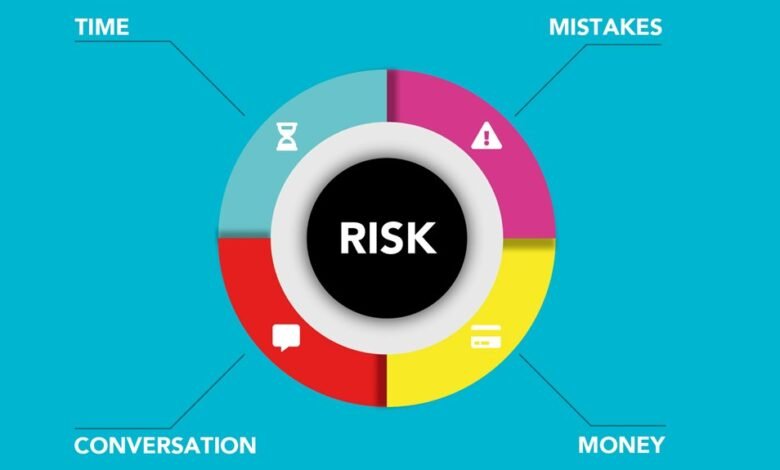
Community-based risk monitoring, exemplified by the 18664487098 alerts, represents a significant advancement in public safety protocols. This system facilitates timely information dissemination regarding potential threats, while also fostering citizen involvement. The integration of technology enhances communication and empowers communities to develop tailored risk management strategies. However, the effectiveness of these alerts remains a critical question, prompting a closer examination of their impact on community resilience and collaboration. What factors determine their success?
Understanding the 18664487098 Alerts and Their Impact
While the implementation of the 18664487098 alerts system represents a significant advancement in community-based risk monitoring, its true impact can only be fully understood through careful analysis.
The alert significance lies in its potential to enhance public awareness, fostering an informed citizenry capable of responding to threats.
Critical evaluation of the system’s effectiveness will be essential to maximize its benefits for community safety and resilience.
The Role of Community Engagement in Risk Monitoring
Community engagement plays a pivotal role in risk monitoring, as it fosters collaboration between residents and local authorities to identify and mitigate potential threats.
Effective community involvement enhances local leadership, empowering citizens to participate actively in decision-making processes.
This participatory approach strengthens resilience, ensuring that diverse perspectives are considered, ultimately leading to more comprehensive and sustainable risk management strategies tailored to the community’s specific needs.
Leveraging Technology for Effective Communication
Effective communication in risk monitoring is significantly enhanced through the strategic use of technology, as it facilitates real-time information sharing and collaboration among stakeholders.
Mobile applications enable instant alerts and updates, empowering communities to respond swiftly.
Meanwhile, social media platforms serve as vital channels for disseminating information, fostering transparency, and engaging citizens actively in risk management efforts, ultimately promoting a more informed and resilient society.
Building Resilience Through Collaborative Efforts
As communities face increasing threats from natural disasters and other risks, building resilience through collaborative efforts emerges as a critical strategy.
Implementing community resilience involves fostering partnerships among various stakeholders, including local governments, organizations, and residents. Collaborative strategies enhance resource sharing, improve risk assessment, and promote adaptive capacities, ultimately empowering communities to effectively respond to challenges and safeguard their freedoms in a volatile environment.
Conclusion
In conclusion, the 18664487098 alerts serve as a beacon of safety, illuminating the path toward a more resilient community. By fostering active participation and utilizing technology for real-time communication, these alerts not only inform but also empower citizens to tackle risks head-on. Continuous assessment of this system ensures its adaptability and relevance, ultimately strengthening the fabric of community welfare. As communities unite in vigilance, they weave a safety net that enhances public awareness and preparedness for future challenges.